How to Create a Montessori Playroom: Tips and Ideas
Share
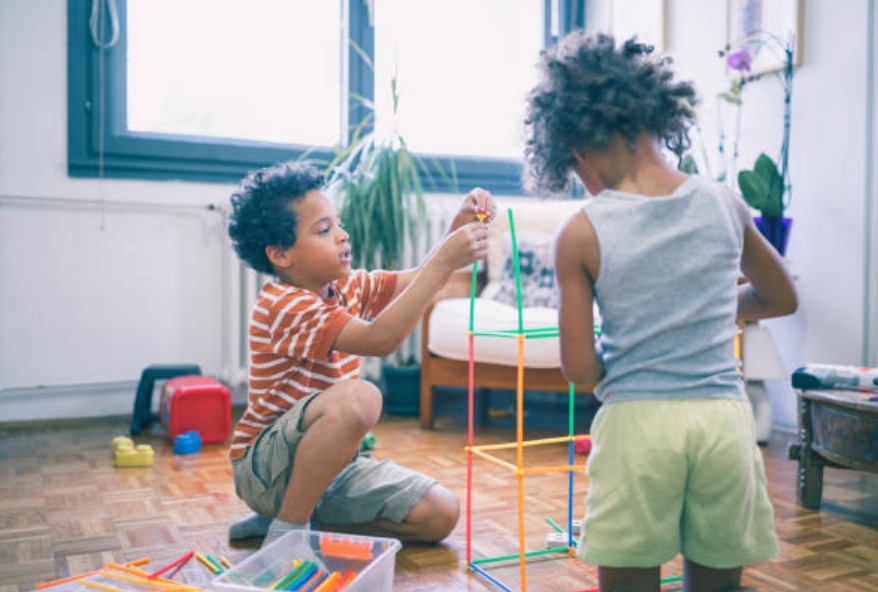
Creating a Montessori-inspired playroom at home can provide children with a structured yet flexible environment that promotes independence, creativity, and learning. Montessori playrooms are designed to be accessible, simple, and engaging, encouraging children to explore and develop essential life skills. Here’s how you can set up a Montessori playroom at home, including must-have toys and furniture.
1. Choose a Dedicated Space
Select a quiet and spacious area in your home where your child can play and learn without distractions. Ensure the space is well-lit, preferably with natural light, and has enough room for different activity zones.
2. Keep It Minimal and Organized
Montessori playrooms emphasize simplicity and order. Use open shelving to neatly display toys and materials at your child's eye level. Rotate toys periodically to maintain interest and prevent clutter.
3. Invest in Child-Sized Furniture
Furniture should be scaled to your child's size to foster independence. Include a low table and chairs, a reading nook with a small bookshelf, and a cozy mat or rug for floor activities.
4. Provide Open-Ended Montessori Toys
Choose toys that encourage problem-solving, creativity, and hands-on learning. Some must-have Montessori toys include:
Wooden blocks for building and spatial awareness
Sorting and stacking toys to develop fine motor skills
Puzzles for cognitive growth
Sensory materials like sand, water, or textured objects
5. Incorporate Nature Elements
Montessori philosophy values a connection with nature. Add indoor plants, natural materials like wooden toys, and an outdoor exploration area to encourage environmental awareness.
6. Encourage Practical Life Activities
A Montessori playroom should also include practical life tools such as child-safe kitchen sets, cleaning tools, and dressing frames to promote independence.
Montessori Toys for Special Needs Children: Enhancing Learning and Development
Montessori toys are designed to cater to a wide range of developmental needs, making them particularly beneficial for children with special needs. These toys encourage hands-on learning, sensory exploration, and independence. Here’s how Montessori toys support children with diverse learning abilities:
1. Sensory Stimulation
Children with sensory processing challenges benefit from Montessori toys that engage multiple senses. Consider:
Textured balls to develop tactile sensitivity
Sound-based toys like musical instruments
Weighted blankets and toys for calming effects
2. Fine and Gross Motor Skill Development
Montessori toys help children develop coordination and motor skills through engaging activities such as:
Lacing and threading beads to improve hand-eye coordination
Balance boards for body awareness and strength
Peg boards and puzzles for dexterity
3. Encouraging Communication and Social Skills
For children with speech or social difficulties, Montessori toys can facilitate expression and interaction:
Storytelling cards to improve language skills
Role-playing sets for social development
Emotion recognition games to help understand feelings
4. Adaptability for Individual Needs
Montessori materials can be modified for each child’s abilities, ensuring an inclusive and supportive learning experience.
By integrating Montessori principles into play areas and toy selection, parents can create a nurturing environment that fosters growth, independence, and joy in every child.